I. Aperçu général de l'industrie des pigments organiques
Les pigments organiques sont des colorants composés de composés carbonés. Ils présentent des avantages tels que des couleurs éclatantes, un bon pouvoir couvrant, une excellente résistance à la lumière et à la chaleur, et sont largement utilisés dans les revêtements, les encres d'imprimerie, les plastiques, les textiles, les cosmétiques et d'autres secteurs à forte valeur ajoutée. Comparés aux pigments inorganiques, les pigments organiques occupent une place prépondérante sur le marché mondial des colorants grâce à leur riche palette chromatique et à leur grande flexibilité.
Ces dernières années, grâce à la modernisation de son industrie manufacturière, à la croissance soutenue de la demande en aval, à l'expansion de ses marchés d'exportation et à la promotion de politiques de protection de l'environnement, la Chine est devenue l'un des plus grands producteurs et exportateurs mondiaux de pigments organiques. Les données de marché montrent que la Chine représente une part importante de la production mondiale de pigments organiques et bénéficie d'avantages considérables en termes de coûts et de capacités au sein de la chaîne d'approvisionnement mondiale.
II. Tendances de développement futures
1. La croissance continue de la demande stimule l'expansion du secteur
Dans les années à venir, le marché chinois des pigments organiques devrait connaître une croissance soutenue. D'une part, la demande de pigments colorés émanant des industries traditionnelles des revêtements, des plastiques et des encres demeure la principale source de demande, notamment grâce à l'expansion continue des applications dans les secteurs de l'automobile, de la décoration architecturale et de l'impression de produits électroniques. D'autre part, les applications émergentes telles que l'impression 3D, les matériaux d'emballage écologiques et les pigments électroniques haut de gamme stimulent constamment la demande de pigments organiques personnalisés et performants, ce qui favorisera le développement de l'industrie vers des solutions de pointe.
D'après les prévisions du secteur, le marché mondial des pigments organiques devrait poursuivre sa croissance à partir de 2025, notamment grâce à des réglementations environnementales de plus en plus strictes et à la demande croissante de solutions de coloration de haute qualité. L'utilisation des pigments organiques haute performance s'étend à des applications plus haut de gamme et fonctionnelles, comme les produits offrant une meilleure résistance aux intempéries et une stabilité thermique accrue, ainsi qu'à une nouvelle génération de pigments à base d'eau et de pigments verts destinés au marché des solutions respectueuses de l'environnement.
2. Optimisation de la structure industrielle et innovation technologique : moteurs de la modernisation
L'industrie chinoise des pigments organiques évolue d'une logique d'expansion vers une logique de valorisation. Longtemps dominée par des produits bas de gamme, le marché chinois connaît aujourd'hui une croissance constante grâce au développement des capacités de recherche et développement technologiques nationales et au renforcement des normes environnementales. Les entreprises du secteur investissent davantage en R&D, adoptent des procédés avancés et des équipements de production automatisés, et améliorent le contrôle qualité afin d'accroître leur compétitivité.
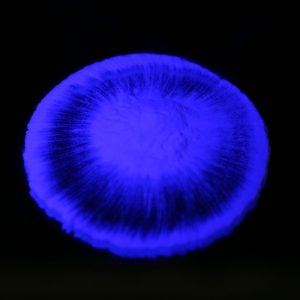
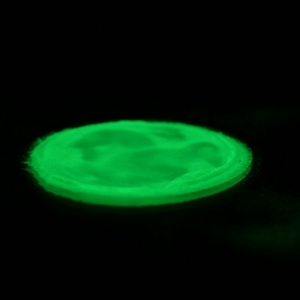
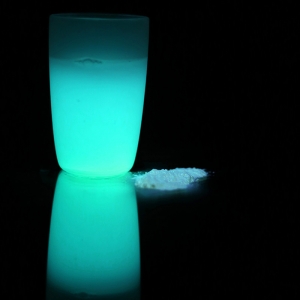
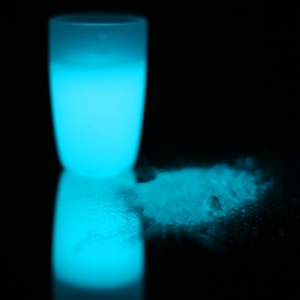
L'innovation technologique est essentielle à la modernisation industrielle. La recherche et le développement visent à améliorer la stabilité, la dispersibilité et la durabilité des couleurs, tout en optimisant les performances des pigments pour des applications spécifiques telles que les revêtements pour véhicules à énergies nouvelles et les plastiques industriels haut de gamme. Par ailleurs, de nouveaux pigments (comme les pigments fluorescents et les pigments à effets lumineux spéciaux) sont progressivement mis au point afin de répondre aux exigences croissantes en matière d'effets visuels des industries en aval.
3. Protection de l'environnement et production écologique : des compétences clés
Face à des réglementations environnementales mondiales de plus en plus strictes (telles que le règlement REACH de l'UE, les normes de l'EPA américaine et les politiques environnementales nationales), l'industrie des pigments organiques doit s'adapter à la tendance de la production écologique. Cela implique non seulement la sélection des matières premières et la maîtrise des émissions chimiques lors de la production, mais aussi l'analyse du cycle de vie (ACV) des produits, leur recyclabilité et un procédé de fabrication respectueux de l'environnement. Les pigments organiques écologiques conformes aux exigences environnementales sont à la fois une condition essentielle à l'accès aux marchés mondiaux et un atout majeur pour la compétitivité des marques.
Les fournisseurs chinois modernisent progressivement leurs installations de production, optimisent leurs systèmes de traitement des eaux usées et des gaz d'échappement et recyclent les déchets solides afin de répondre à des normes environnementales plus strictes, y compris pour l'exportation vers les marchés européens et américains. Cette transformation renforce non seulement la compétitivité internationale des entreprises, mais favorise également le développement durable de l'ensemble du secteur.
4. Intégration de la chaîne d'approvisionnement mondiale et expansion du marché d'exportation
L'industrie chinoise des pigments organiques possède un fort potentiel d'exportation. Les données montrent que la Chine est un leader mondial des exportations depuis de nombreuses années, principalement vers l'Amérique du Nord, l'Europe, l'Asie du Sud-Est et l'Amérique du Sud. Cette croissance des exportations a non seulement stimulé l'expansion des capacités de production, mais a également incité les entreprises nationales à privilégier le développement de leur marque et la qualité de leurs services sur le marché international.
À l'avenir, les fournisseurs chinois approfondiront leur connaissance de la structure du marché mondial et adapteront leurs gammes de produits aux besoins variés des différentes régions. Par exemple, pour exporter vers les marchés européens et américains, les fournisseurs de pigments organiques devront proposer des produits conformes aux normes environnementales locales strictes et fournir une documentation technique complète attestant de leur conformité (fiches de données de sécurité, données de conformité REACH, etc.).
Parallèlement, les changements de l'environnement commercial (tels que les politiques tarifaires et les barrières commerciales internationales) obligent également les entreprises à procéder à des ajustements plus flexibles de leurs chaînes d'approvisionnement, de leurs stratégies commerciales et de leurs stratégies de localisation.
5. Le paysage concurrentiel du secteur se polarise de plus en plus.
L'industrie chinoise des pigments organiques regroupe de nombreuses entreprises, parmi lesquelles de grands groupes chimiques, des multinationales et des PME spécialisées dans la fabrication de pigments de spécialité. À l'avenir, face à une concurrence accrue, la maîtrise des technologies de pointe et la capacité à gérer efficacement les marques deviendront les atouts majeurs des leaders du secteur. Par conséquent, les grandes entreprises et les PME innovantes sur le plan technologique sont susceptibles de connaître une croissance plus rapide.
En revanche, certaines PME seront confrontées à la pression de l'homogénéisation des produits et à la hausse des coûts liés à la conformité environnementale. Elles pourraient alors rechercher de nouveaux leviers de croissance par la segmentation du marché, l'amélioration du service client ou la coopération avec des entreprises étrangères.
III. Fournisseurs chinois de pigments organiques recommandés
Voici cinq fournisseurs/fabricants chinois représentatifs de pigments organiques (listés sans ordre particulier, toutes sont des entreprises de référence dans le secteur) :
Anhui Aiso Chemical Co., Ltd. — Filiale d'Anhui Aiso Import & Export Co., Ltd., spécialisée dans les matières premières chimiques, les colorants et les pigments à effets, elle fournit des services de traitement OEM et d'exportation au marché international, avec une activité couvrant l'Europe, l'Amérique et le Moyen-Orient.
Rosely Chemical (Hangzhou) Co., Ltd. — Fabricant de produits pigmentaires, offrant une variété de pigments organiques adaptés aux revêtements, aux encres et aux applications plastiques.
ORIEN CHEMICAL CO., LTD. — Fournisseur de pigments organiques, proposant des pigments organiques, des colorants et des produits chimiques connexes dans une large gamme de couleurs.
Cala Technology (Guangdong) Co., Ltd. — s'occupe également de pigments organiques et d'autres poudres de couleur, applicables aux plastiques, aux encres et à d'autres domaines, et possède des capacités de réponse rapide et de service personnalisé.
Hebei Jiehong Pigment Chemical Co., Ltd. — Bien que principalement connue pour ses pigments inorganiques, certaines de ses gammes de produits comprennent des pigments organiques et des pigments spéciaux, ce qui en fait un acteur important sur le marché national des produits chimiques pigmentaires.
IV. Conclusion
Les fournisseurs chinois de pigments organiques sont confrontés à de multiples défis et opportunités de développement, notamment l'expansion du secteur, la modernisation technologique, des exigences environnementales plus strictes et une concurrence accrue sur le marché mondial. Le développement futur se concentrera sur la R&D de produits haut de gamme, l'amélioration des capacités de production écologique, l'optimisation de la chaîne d'approvisionnement mondiale et la promotion internationale des marques. Les entreprises dotées d'une forte capacité d'innovation, de compétences en matière de conformité et d'une vision globale seront mieux placées pour acquérir un avantage concurrentiel sur le marché international des pigments organiques.
FAQ :
1. Que sont les pigments nacrés ?
Les pigments nacrés sont des pigments à effets fonctionnels qui créent un éclat nacré par réflexion et interférence de la lumière. Ils sont largement utilisés dans les revêtements, les plastiques, les encres, les cosmétiques et les applications décoratives pour obtenir des effets métalliques, scintillants ou changeants de couleur.
2. Quels types de pigments nacrés proposez-vous ?
Nous proposons une gamme complète de produits, notamment :
Pigments nacrés à base de mica
pigments nacrés recouverts de dioxyde de titane
pigments à effet métallique
Pigments à interférence et à changement de couleur
Qualités industrielles à haute résistance aux intempéries
Pigments nacrés de qualité cosmétique
3. À quels secteurs vos produits s'adressent-ils ?
Nos pigments sont largement utilisés dans :
Peintures de revêtement et de finition pour l'automobile
Revêtements industriels et en poudre
mélange-maître plastique et moulage par injection
Encres d'impression et encres UV
Produits cosmétiques et de soins personnels
Matériaux d'emballage et de design décoratifs
4. Comment choisir le bon pigment nacré ?
La sélection dépend de :
Système d'application (revêtement, plastique, encre, cosmétique, etc.)
Effet visuel recherché (éclat, scintillement, variation de couleur, interférence)
Distribution granulométrique
exigences en matière de résistance à la chaleur et de durabilité aux intempéries
Notre équipe technique peut vous recommander la qualité la plus adaptée à votre application.
5. Comment la taille des particules affecte-t-elle l'apparence ?
Granulométrie fine : brillance lisse et élégante
Granulométrie moyenne : luminosité et couvrance équilibrées
Gros grains : brillance intense et fort impact visuel
6. Vos produits sont-ils conformes aux réglementations internationales ?
Oui. Nos produits sont conformes aux principales réglementations internationales telles que RoHS et REACH. Nos pigments cosmétiques répondent aux normes de sécurité en vigueur et la documentation technique (fiche technique, fiche de données de sécurité, rapports de conformité) est disponible sur demande.
7. Proposez-vous des couleurs personnalisées ou des effets spéciaux ?
Oui. Nous proposons :
��
Correspondance de couleurs personnalisée
✨ Effets optiques spéciaux (interférence, dégradé, aspect métallique)
��
Gammes de tailles de particules personnalisées
Veuillez fournir un échantillon, une référence de couleur ou des exigences détaillées pour l'évaluation.
8. Pouvez-vous fournir des échantillons pour les tests ?
Oui, des échantillons sont disponibles pour les tests en laboratoire et la validation de la formulation. Les modalités d'échantillonnage (gratuit ou payant) dépendent du type de produit et du statut de coopération.
9. Quelle est votre quantité minimale de commande (MOQ) ?
La quantité minimale de commande (MOQ) varie selon le type de produit :
Qualités standard : commandes en petites séries acceptées
Produits personnalisés : la quantité minimale de commande dépend de la couleur et des spécifications.
Veuillez nous contacter pour obtenir des informations détaillées.
10. Quel est votre délai de livraison habituel ?
Produits standard : 3 à 7 jours ouvrables
Produits personnalisés : 10 à 20 jours ouvrables (selon la complexité et la quantité)
Le délai de livraison exact sera confirmé lors de la passation de la commande.
11. Comment assurez-vous la constance de la qualité de vos produits ?
Nous opérons selon un système de contrôle qualité rigoureux :
Inspection des matières premières
Surveillance de la qualité en cours de production
Comparaison entre lots et échantillons de rétention
Tests finaux du produit avant expédition
Cela garantit une performance et une stabilité des couleurs constantes.
12. Quelle est la résistance à la chaleur de vos pigments ?
La résistance à la chaleur varie selon la gamme de produits. Les qualités industrielles conviennent aux procédés à haute température tels que le moulage par injection plastique et le durcissement des revêtements en poudre. Veuillez consulter la fiche technique pour connaître les paramètres spécifiques.
13. Comment les pigments nacrés doivent-ils être conservés ?
Conserver dans un endroit frais et sec.
Évitez l'humidité et la lumière directe du soleil.
Bien refermer les récipients après ouverture
Bien mélanger avant utilisation pour maintenir une dispersion optimale.
14. Fournissez-vous une assistance technique ?
Oui. Nous proposons :
Conseils de formulation
Conseils en matière de dispersion et de traitement
Dépannage de l'application
Soutien personnalisé au développement de produits
Nos experts techniques sont prêts à vous accompagner dans votre projet.
15. Comment pouvons-nous établir une coopération à long terme ?
Vous pouvez nous contacter via notre formulaire de contact en ligne ou contacter directement notre équipe commerciale. Nous proposons :
Gestion de compte dédiée
Capacité d'approvisionnement stable
Optimisation continue des produits et assistance technique
Notre objectif est de bâtir des partenariats durables et mutuellement bénéfiques à l'échelle mondiale.


 web@ispigment.com
 +86 13965049124
 français
  English
 русский
 italiano
 español
 português
 العربية
 한국의
한국의 ไทย
ไทย Tiếng Việt